I am very happy to announce that The Many Faces is now available on Amazon, Indigo, Barnes and Noble, Smashwords and many other e-pub platforms.
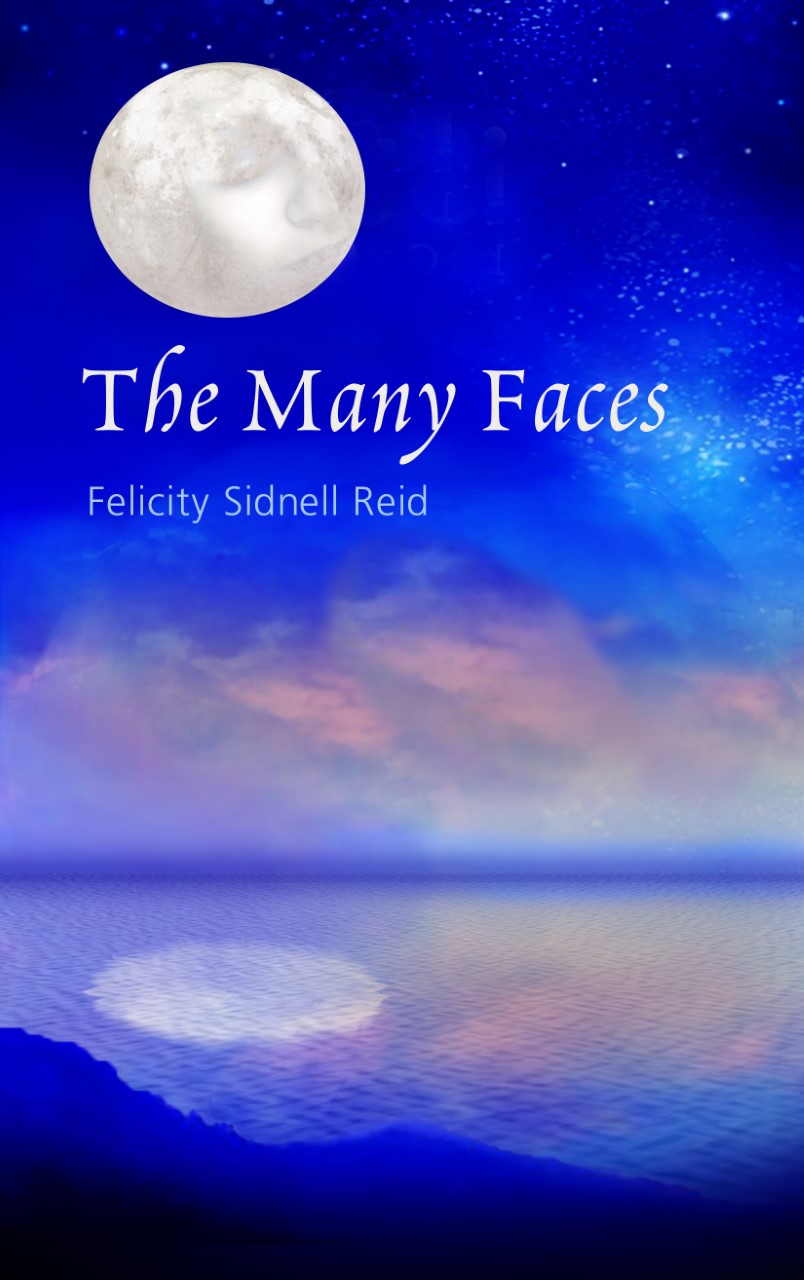
I am very happy to announce that The Many Faces is now available on Amazon, Indigo, Barnes and Noble, Smashwords and many other e-pub platforms.
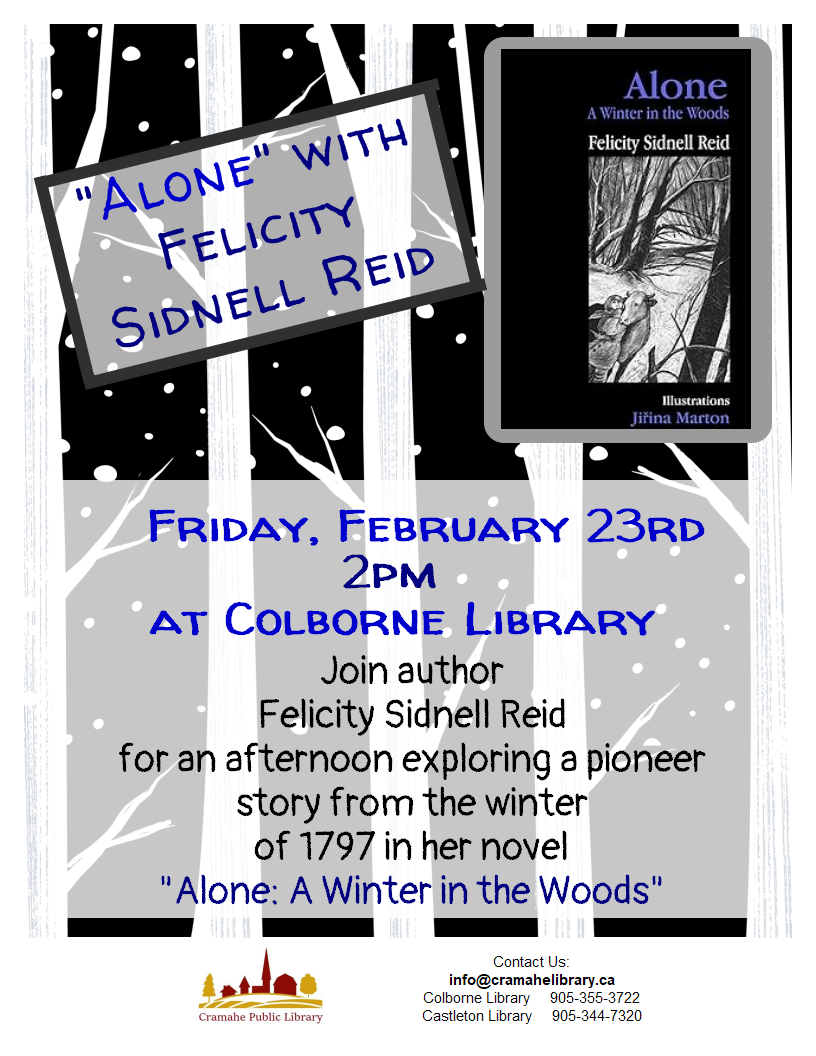
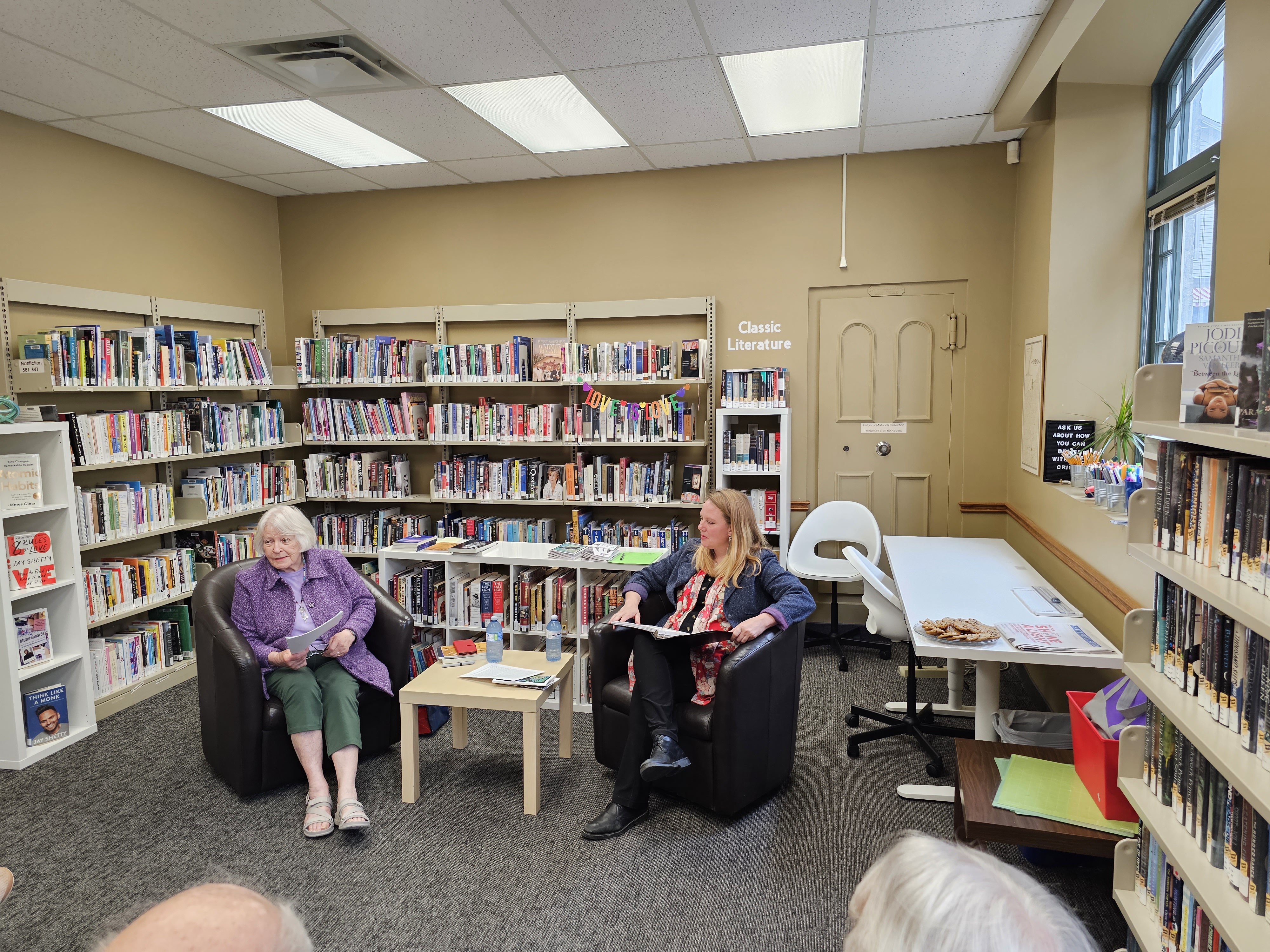
You are invited to a discussion about how fiction can enrich history on February 23rd at 2.00 pm at the Colborne branch of Cramahe Township Public Library. Felicity Sidnell Reid will talk about her novel and why she fictionalized the story of Obediah Simpson Brighton’s first settler and the adventures of his young son who survived three months on his own in the woods of Presqu’ile in the winter of 1796

With Antony Di Nardo at the Sprit of the Hills holiday book sale.
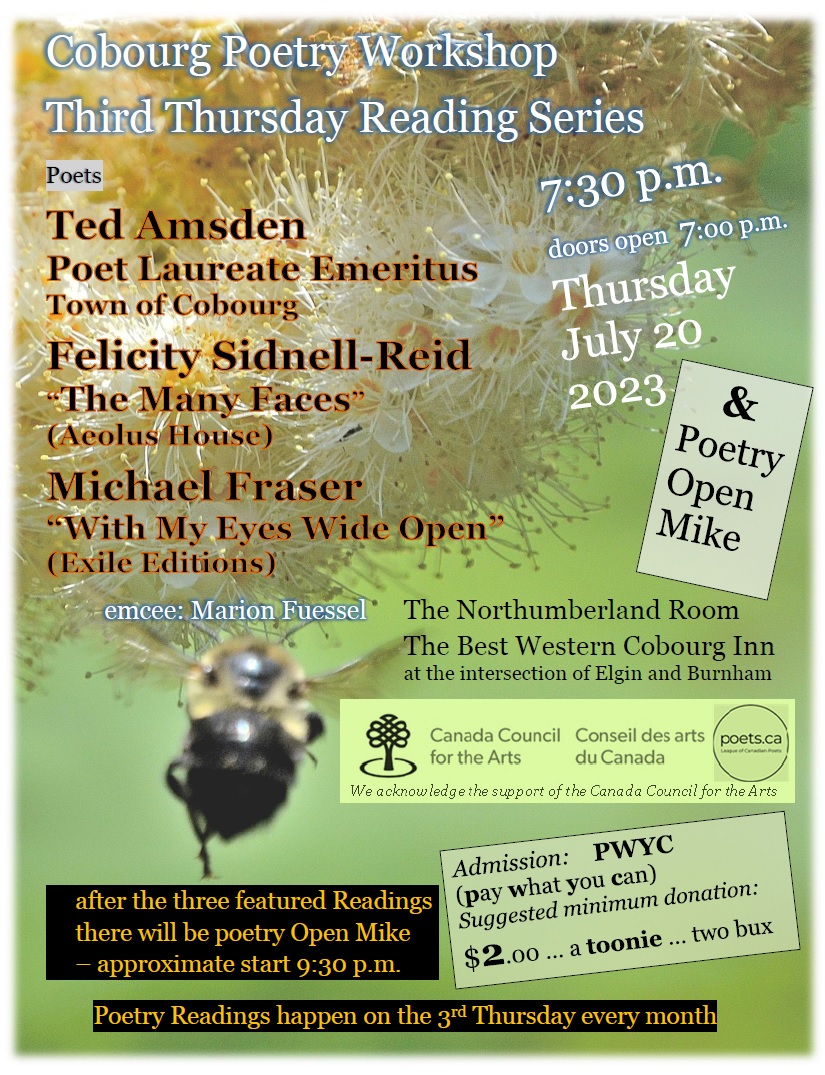
will be held on Thursday July 20that the Best Western in Cobourg starting at 7.30 pm. I’m thrilled to be reading with Michael Fraser, winner of multiple awards for his poetry, and with long time colleague in poetic endeavours, Poet Laureate Emeritus of Cobourg Ted Amsden.
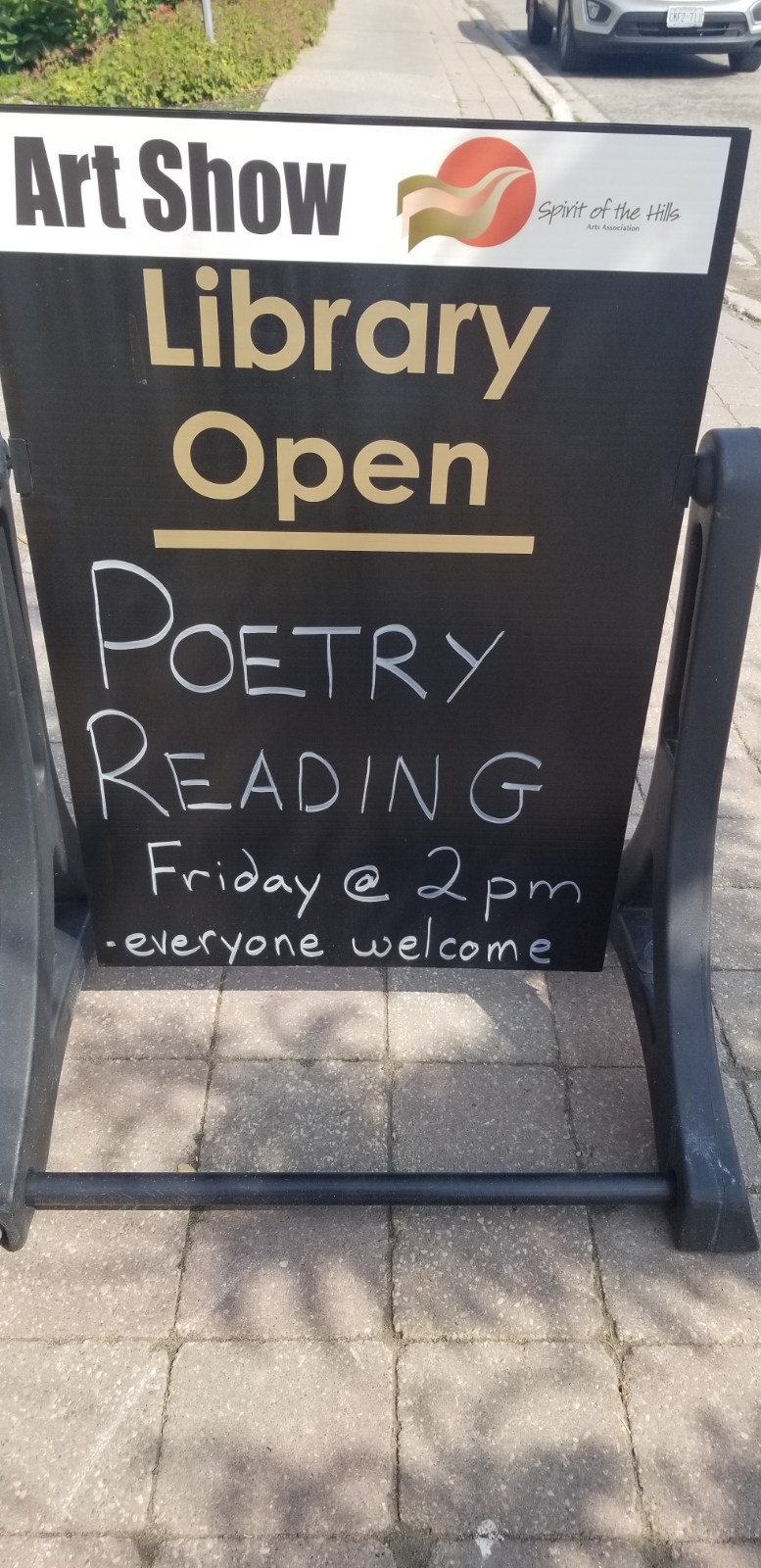
Many thanks to Patrick Muldoon, librarian, for hosting Katie Hoogendam’s and my poetry reading last Friday at the Warkworth Branch of the Trent Hills Library. Since we frequently write about interests or topics we have in common and sometimes in response to a particular poem, we decided to arrange our reading as a conversation between the two of us and were delighted that this arrangement worked so well. We spent a fabulous hour responding to each other’s poems and then answering questions from our audience.
This coming Sunday, June 18th, Word on the Hills, the radio series I co-produce and co-host will release an episode we made recently with Patrick which focuses on the many events, workshops, and readings that he has set up at the Warkworth Library. All the shows in this series are archived at our website, wordonthehills.com after broadcast, and can be accessed at any time and from anywhere.

In Poetry Month this year I was delighted to be invited to submit two poems to this radio series of poems read by Katie Hoogendam on Northumberland 89.7 FM. Now that the month of April has passed, I’m going to put them up on my blog here. I hope you enjoy them!
With thanks to The Story Reading Ape for first publishing this post.
This was the question I asked myself all those months ago in March 2020, when the WHO declared Covid19 a pandemic. At first, I didn’t expect the resulting lockdowns and self-isolation would last very long or that there would be not just one wave, but three or four. However, since so many were experimenting with innovative virtual platforms, where we were already recording new episodes of our weekly radio show, Word on the Hills, it seemed a good moment to try to maintain connections and support within our writers’ group. ,
,
Photo by Ted Amsden
https://c0.pubmine.com/sf/0.0.3/html/safeframe.htmlREPORT THIS AD
We moved our monthly meetings to Zoom and set up critique groups in the following months. We discovered that people reacted differently to the strange, often frightening, conditions of 2020, and many were writing in response to them. Kim Aubrey and I decided to set up a blog on our Festivals’ site, festivalofthearts.ca, called A Journal in Times of Pandemic and Lockdown and were delighted to receive a great variety of poetry and non-fiction ranging from the philosophical to the humorous, travel and opinion pieces, memoir and nostalgia as well as extracts from novels which some of our authors were then working on. The blog became a useful vehicle for keeping in touch with our fellows.
Photo by Ted Amsden
As the year progressed it became clear that we were building a collection of pieces that could become the basis for an anthology. When the blog closed down at the end of February 2021, we started work on its transformation into an e-book. The blog pieces were short but many of them were illustrated with photographs of the world around us, reminding us that nature in our area was flourishing in the face of the pandemic, or pictures of the people or events being written about. We saw an opportunity to publish more photography and art work and solicited these from those of our members who have skills and experience in these fields. And to extend the range of writing represented by the blog items and include some longer pieces, we also asked for short stories from those who had been writing them during months of lockdown.
Richardson Road Photo by Ted Amsden
Though we originally saw the blog as just a record of a difficult and challenging year and still believe it has value as such, we found that it also encouraged innovation and experimentation among our writers as they tried different modes of expression, wrote about their feelings and experiences in alternative ways and, in spite of the limiting circumstances, continued to publish both short pieces and full-length books, finding new ways to market their work.
Photo by Ted Amsden
Our experiences have shown us that difficult times, which affect us both globally and locally, prompt innovation, creativity and even new opportunities to address long-standing societal problems and injustice. This anthology is published on behalf of The Northumberland Festival of the Arts 2022 an organization dedicated to celebrating the role of the arts in building strong and healthy communities.

Planning for the Northumberland Festival of the Arts, 2022, is underway. Follow our progress at festivalofthearts.ca.
 Felicity Sidnell Reid: author, editor and broadcaster